Philosophical Mysticism & Mystical Philosophy: Western & Islamic Perspectives

¥32,243 ¥16,121 JPY
  • Instructor: Rasoul Rahbari-Ghazani
  • 8-Week: Online
  • Format: Live online sessions (recordings available after each session) + guided readings + Exclusive WhatsApp Group
  • Level: Open to all motivated learners; no prior background required
  • Start: Early January 2026
  • Early Registration: 50% OFF for December registrations

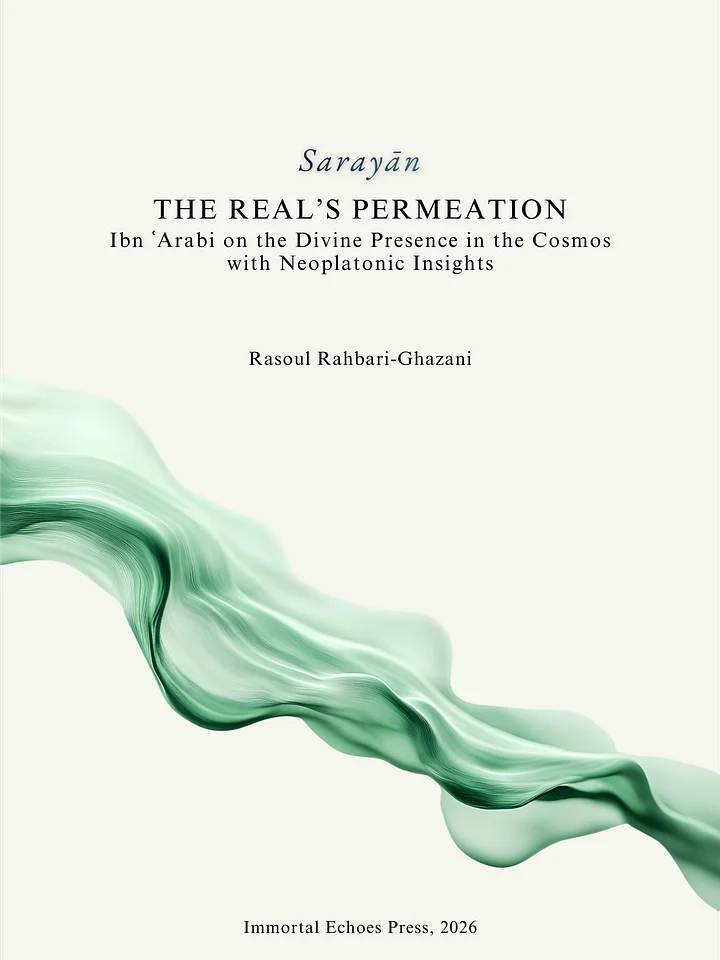
Course Description. This program provides a clear, structured, and intellectually rich exploration of the relationship between philosophy and mysticism across Western and Islamic traditions. Drawing on prominent works from William James, William Alston, Richard H. Jones, Ibn ʿArabī, Plotinus, Suhrawardī, Henry Corbin, Mullā Ṣadrā, and Rūmī, this course provides both a philosophical analysis of mysticism and a philosophical study rooted in mystical insight:

Part I: Philosophical Mysticism: The philosophical study of mysticism as a phenomenon: analyzing its epistemic claims, linguistic strategies, metaphysical interpretations, and ethical implications.

  • How have philosophers understood mystical experience?
  •  Can mystical states yield knowledge?
  • Is mystical language necessarily symbolic or metaphorical?
  • What is the ethical significance of mystical life?

Part II: Mystical Philosophy: Philosophy written from within a mystical horizon: systematic ontologies, epistemologies, and ethical visions grounded in mystical realization.

  • How do mystical realizations give rise to full philosophical systems?
  • How do concepts like the oneness of being, emanation, illumination, or modulation of existence express lived mystical vision?
  • How do thinkers such as Ibn ʿArabī, Suhrawardī, Mullā Ṣadrā, and Rūmī articulate metaphysics, psychology, and ethics from within a mystical horizon? 
8-Week Course Outline

  • Week 1: What Is Mysticism? Philosophical Definitions & Types of Experience.
  • Week 2: The Epistemology of Mystical Experience. Can mystical experience justify belief? Is it analogous to perception? We explore debates surrounding epistemic justification and philosophical critique.
  • Week 3: Mystical Language, Symbolism, and Ineffability Can one speak about the ineffable? How do mystics use paradox, metaphor, and symbolic discourse to express non-ordinary experience?
  •  Week 4: Mysticism and Moral Transformation. How does mystical experience shape character, ethics, and spiritual psychology? We explore the moral dimension of mystical life and the transformation of the self.
  • Week 5: Mystical Philosophy: Ibn ʿArabī and the Metaphysics of Oneness. We enter the second movement of the course, exploring philosophical systems grounded in mystical insight. Topics include waḥdat al-wujūd, unity, divine presence, and metaphysical imagination.
  •  Week 6: Plotinus and Neoplatonic Emanation. We examine the philosophical framework of emanation, the One, Intellect, and Soul—key concepts that have shaped both Western and Islamic mystical philosophy.
  • Week 7: Illuminationism & the Mundus Imaginalis. Suhrawardī’s philosophy of light, the imaginal realm, and Henry Corbin’s interpretation of imaginal perception.
    We explore the metaphysics, psychology, and ontology of the imaginal.
  • Week 8: Sadrian Ontology & Ecstatic Love Mysticism. Mullā Ṣadrā’s modulation of being and Rūmī’s ecstatic metaphysics of love. We conclude by asking how mystical philosophy integrates ontology, ethics, imagination, and spiritual psychology into one living vision.

Course Format

  • Weekly live meetings
  • Guided readings
  • Access to recorded sessions
  • WhatsApp group for questions and updates

Who Should Enroll?

  • Students and scholars of philosophy, mysticism, or religious studies
  • Those interested in consciousness, metaphysics, and the philosophy of spiritual experience
  • Anyone seeking a structured introduction to the philosophical analysis of mysticism

No prior academic background is required.

All texts will be provided as PDFs.

Dropdown