Meaning in Human Suffering — Recorded Course
Rūmī and John Hick in Dialogue
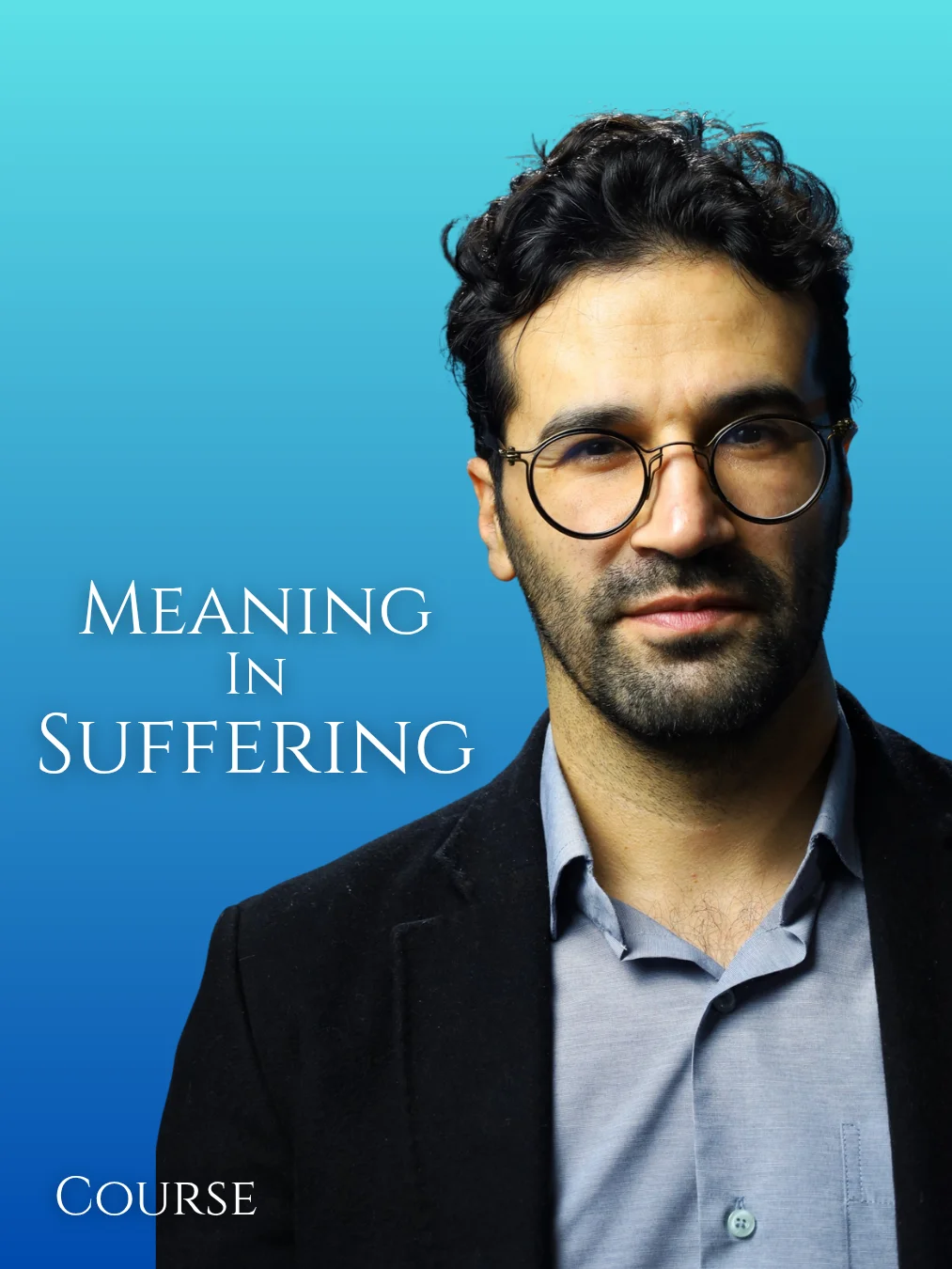
Ten recorded lessons with Rasoul Rahbari-Ghazani
Why do we suffer? Can suffering become meaningful without being necessary or justified? And how should we respond when another person suffers?
In this ten-part recorded course, Rasoul Rahbari-Ghazani guides students through his book, Meaning in Human Suffering: Rumi and John Hick in Dialogue. Bringing close textual interpretation into conversation with philosophical argument, the course examines suffering both as a challenge to belief in a good God and as an experience demanding discernment, compassion, and responsible action.
Rūmī: suffering, love, and discernment
The first part explores Rūmī’s understanding of suffering through his poetry, stories, and spiritual teaching. We consider the distinction between suffering associated with folly and suffering understood as trial, alongside the author’s interpretation of mystical separation as a third category. These discussions examine self-correction, patience, longing for the Divine Beloved, and the difficulty of recognizing which response a situation requires.
John Hick: freedom and soul-making
The second part turns to John Hick’s soul-making theodicy: his account of a world in which human beings develop through freedom, uncertainty, meaningful choices, and encounters with adversity. We examine natural law, divine hiddenness, moral growth, and hope beyond death, while asking whether these ideas can account for suffering that appears excessive, destructive, or pointless.
A critical dialogue
The final lessons confront major philosophical objections and develop the book’s comparative proposal. Hick’s account of the conditions of moral and spiritual development is brought into dialogue with Rūmī’s concern for how suffering is understood and lived. Their contributions are considered critically, with attention to both their possibilities and their limits.
Throughout, the course distinguishes finding meaning after suffering from proving that the suffering ought to have occurred. Spiritual interpretation does not remove the responsibility to relieve harm, resist injustice, and care for others.
What you will study
- Why Do We Suffer? — Distinguishing causes, meanings, justifications, and responses.
- Rūmī’s Philosophy of Suffering — Divine wisdom, human responsibility, and the teaching role of poetry.
- Folly and Trial — Correction, endurance, and the dangers of confusing them.
- Love and Separation — The reed’s lament and longing for the Divine Beloved.
- Discernment, Patience, and Compassion — Responding to suffering without surrendering responsibility.
- Hick’s Soul-Making Theodicy — Human incompleteness and the formation of character.
- Freedom, Natural Law, and Divine Hiddenness — The conditions and difficulties of meaningful agency.
- Pain, Suffering, and Moral Growth — Destructive suffering, mystery, and fulfillment beyond death.
- Philosophical Objections — Apparently pointless suffering and challenges to soul-making.
- Rūmī and Hick in Dialogue — A two-tier approach connecting philosophical understanding with lived discernment.
Course format
- Instructor: Rasoul Rahbari-Ghazani
- Format: Ten recorded video lessons for self-paced study
- Language: English
- Core text: Meaning in Human Suffering: Rumi and John Hick in Dialogue
Required book — purchased separately
This course is taught through Meaning in Human Suffering: Rumi and John Hick in Dialogue by Rasoul Rahbari-Ghazani. The book is not included in the course fee. Students should purchase their preferred edition separately: PDF, paperback, or hardcover. If you already own the book, you do not need to purchase it again.